
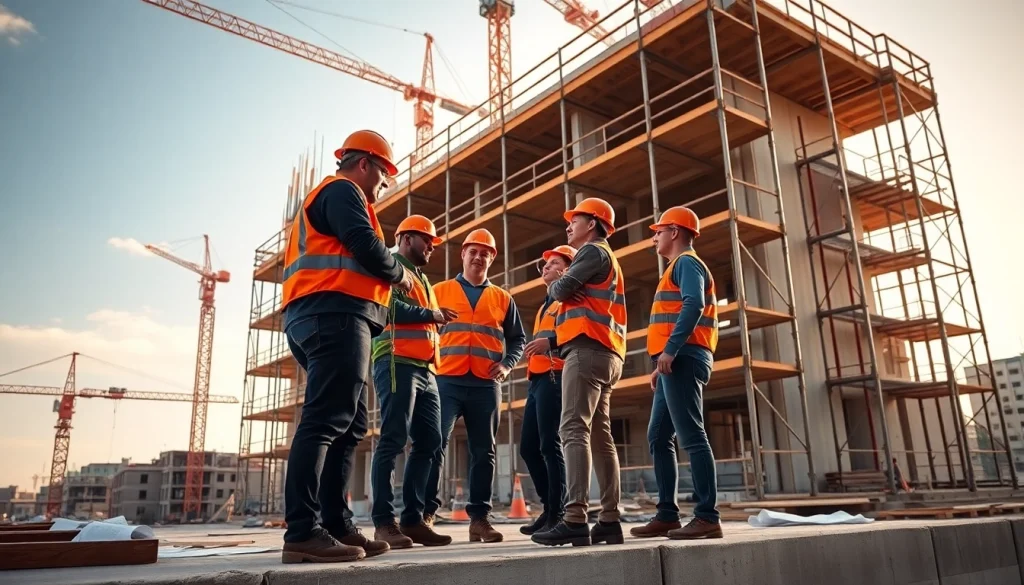
Understanding the Fundamentals of Construction
The world of construction is complex and multifaceted, encompassing various processes, roles, and materials. To understand this field, one must grasp its fundamental components, types of projects, and the roles played by various stakeholders throughout the construction cycle.
Key Components of Construction Processes
Construction processes are characterized by several key components that work together to transform ideas into tangible structures. These components include:
- Planning and Design: This phase involves the conceptualization of the project, where architects and engineers design plans that meet the needs of clients while adhering to local regulations.
- Site Preparation: Proper site preparation is crucial for a successful construction project. This includes surveying, clearing, and leveling the land.
- Building Processes: Actual construction involves various building processes, including laying foundations, framing, roofing, plumbing, and electrical work.
- Finishing Touches: Once the primary structure is complete, interior and exterior finishes, such as drywall installation, painting, and landscaping, finalize the project.
Types of Construction Projects
Construction projects can be classified into several categories, each requiring unique approaches, regulations, and expertise. The primary types include:
- Residential Construction: This involves building homes and residential complexes, focusing on meeting housing demands and enhancing living spaces.
- Commercial Construction: This type encompasses the construction of commercial spaces like offices, shopping centers, and warehouses, often requiring compliance with strict regulations.
- Industrial Construction: Projects in this category include factories, manufacturing plants, and power plants, requiring specialized knowledge of industrial facilities.
- Civil Engineering Projects: This includes infrastructure construction like highways, bridges, and airports, essential for public transportation and utility services.
Roles and Responsibilities in Construction
The construction industry relies on a variety of professionals, each with specific roles and responsibilities:
- Architects: They design the layout of buildings and ensure that plans conform to client needs and local regulations.
- Engineers: Engineers assess and develop technical aspects of the project, ensuring structural integrity, safety, and compliance.
- Project Managers: They oversee the entire construction process, manage budgets, timelines, and coordinate between various stakeholders.
- Laborers and Skilled Workers: These individuals carry out the physical work on site, ranging from general labor to specialized tasks such as plumbing and electrical work.
Modern Technologies Shaping the Construction Industry
As technology continues to advance, the construction industry is experiencing transformative changes that enhance efficiency, safety, and sustainability. Key technologies driving this evolution include:
Impact of Robotics and Automation
Robotics and automation are rapidly becoming integral to construction. Automated machinery can handle repetitive tasks, such as bricklaying and concrete pouring, leading to:
- Increased Efficiency: Robots can work continuously without fatigue, increasing productivity and reducing project timelines.
- Enhanced Precision: Robotics enhance the precision of construction processes, reducing errors and waste, and improving overall quality.
- Safety Improvement: Automation helps keep workers out of hazardous environments, significantly reducing workplace accidents.
Building Information Modeling (BIM) Explained
Building Information Modeling (BIM) is a technological advancement that provides a digital representation of a building. BIM allows stakeholders to visualize a project in 3D, offering numerous advantages:
- Improved Collaboration: BIM promotes collaboration among all project stakeholders, facilitating clear communication and reducing misunderstandings.
- Enhanced Planning and Design: It allows for better design iterations and planning, which helps identify potential problems early in the project lifecycle.
- Efficient Resource Management: BIM tools help in managing resources effectively, leading to reduced waste and improved cost-efficiency.
Green Technologies in Construction
As sustainability becomes a priority, green technologies are critical to promoting environmentally-friendly construction practices. These include:
- Energy-efficient Materials: Utilizing materials that consume less energy helps reduce the carbon footprint of a project.
- Sustainable Building Practices: Techniques such as passive design, which leverages natural light and ventilation, reduce reliance on mechanical systems.
- Renewable Energy Integration: Incorporating solar panels and wind turbines into design boosts energy efficiency and sustainability.
Challenges Facing the Construction Sector
Despite technological advancements, the construction industry faces several challenges that can hinder progress and profitability:
Labor Shortages in Construction
The construction industry is grappling with a significant labor shortage, owing to factors such as:
- Ageing workforce: Many skilled workers are retiring, and there aren’t enough younger workers to replace them.
- Negative perceptions: The industry struggles to attract new talent due to perceptions of low pay, poor working conditions, and lack of career progression.
- Skills gap: As technology advances, there is a growing need for skilled laborers adept in modern construction techniques.
Rising Material Costs
The increase in material costs has been a critical challenge for the construction sector, driven by:
- Supply Chain Disruptions: Global events have caused significant disruptions, resulting in material shortages and increased prices.
- Inflation: Economic inflation has led to higher costs for raw materials, impacting budgets and project feasibility.
- Increased Demand: Housing and commercial demand continues to rise, putting pressure on supply and driving prices up.
Regulatory Compliance and Safety Standards
Navigating the complex landscape of regulatory compliance can be challenging for construction professionals:
- Safety Regulations: Following strict safety regulations is essential to ensuring the welfare of workers and avoiding legal liabilities.
- Building Codes: Compliance with local building codes is critical to legal operation, necessitating ongoing education and adjustments in practices.
- Environmental Regulations: Staying abreast of environmental regulations can be challenging but is vital for sustainable development.
Best Practices for Successful Construction Management
Effective construction management is essential for delivering projects on time, within budget, and to a high standard. Here are several best practices:
Effective Project Planning Techniques
Successful construction management begins with effective project planning. Key techniques include:
- Defining Objectives: Clearly outline project goals, timelines, and deliverables to ensure all stakeholders are aligned.
- Utilizing Software Tools: Project management software can help track progress, assign tasks, and manage budgets efficiently.
- Creating Contingency Plans: Anticipating potential risks allows for smoother management, ensuring that companies can adapt quickly if challenges arise.
Risk Management Strategies
Construction projects inherently carry risks. Implementing solid risk management strategies is crucial:
- Regular Audits: Conducting regular audits provides insights into project health and unveils potential issues before they escalate.
- Stakeholder Communication: Consistent and transparent communication among stakeholders aids in addressing potential risks collaboratively.
- Compliance Checks: Regularly checking for compliance with regulations helps mitigate risks associated with legal issues and safety violations.
Improving Communication Among Teams
Effective communication can significantly improve construction project outcomes. Key approaches to enhance communication include:
- Regular Meetings: Schedule consistent meetings to discuss progress, roadblocks, and next steps, ensuring all team members are informed.
- Utilizing Collaborative Tools: Tools like Slack, Trello, or BIM platforms can streamline communication and information sharing.
- Feedback Loops: Establish mechanisms for providing feedback, allowing team members to voice concerns and suggestions for improvement.
Future Trends in Construction and Sustainable Development
The future of construction is poised for significant transformations aimed at sustainability and efficiency. Emerging trends include:
Focus on Eco-Friendly Building Materials
As awareness about climate change rises, the demand for eco-friendly building materials is increasing, with benefits such as:
- Reduced Environmental Impact: Utilizing sustainable resources minimizes ecological footprints, preserving the planet.
- Energy Efficiency: Many green materials improve building energy efficiency, resulting in long-term cost savings for occupants.
- Regulatory Compliance: Adopting eco-friendly materials helps meet legal requirements and prepares companies for future regulations.
Advancements in Prefabrication and Modular Construction
Prefabrication and modular construction are becoming more popular as they offer quicker build times and lower labor costs. Advantages include:
- Faster Construction: Off-site fabrication allows for simultaneous site preparation and building, reducing timelines significantly.
- Quality Control: Manufacturing components in controlled environments ensures higher quality and less waste compared to traditional methods.
- Flexibility: Modular designs can be easily adapted for various uses, making them versatile for different projects.
Smart Building Technologies for Efficiency
Smart building technologies aim to optimize efficiency and improve user experience. Some notable innovations include:
- IoT Integration: Internet of Things (IoT) devices enable real-time monitoring and management of building systems for enhanced energy efficiency.
- Automated Systems: Automating heating, cooling, and lighting systems can lead to significant energy savings while maintaining occupant comfort.
- Data Analytics: Analyzing data from smart systems can uncover insights for continuous improvements in building performance.
Frequently Asked Questions
What is the primary goal of construction planning?
The primary goal of construction planning is to define the project’s scope, timelines, and resource allocation, ensuring effective execution and management.
How do construction technologies enhance safety?
Technologies like drones and AI enhance safety by monitoring sites, predicting hazards, and providing innovative solutions to minimize risks.
What are the benefits of using green building materials?
Green materials reduce environmental impact, improve energy efficiency, and often lead to long-term cost savings for construction projects.
How can construction management mitigate risk?
Construction management mitigates risks through thorough planning, regular audits, stakeholder communication, and compliance checks.
What is the significance of BIM in construction?
BIM enhances collaboration, improves design accuracy, and aids project management by providing a comprehensive digital model of the building.