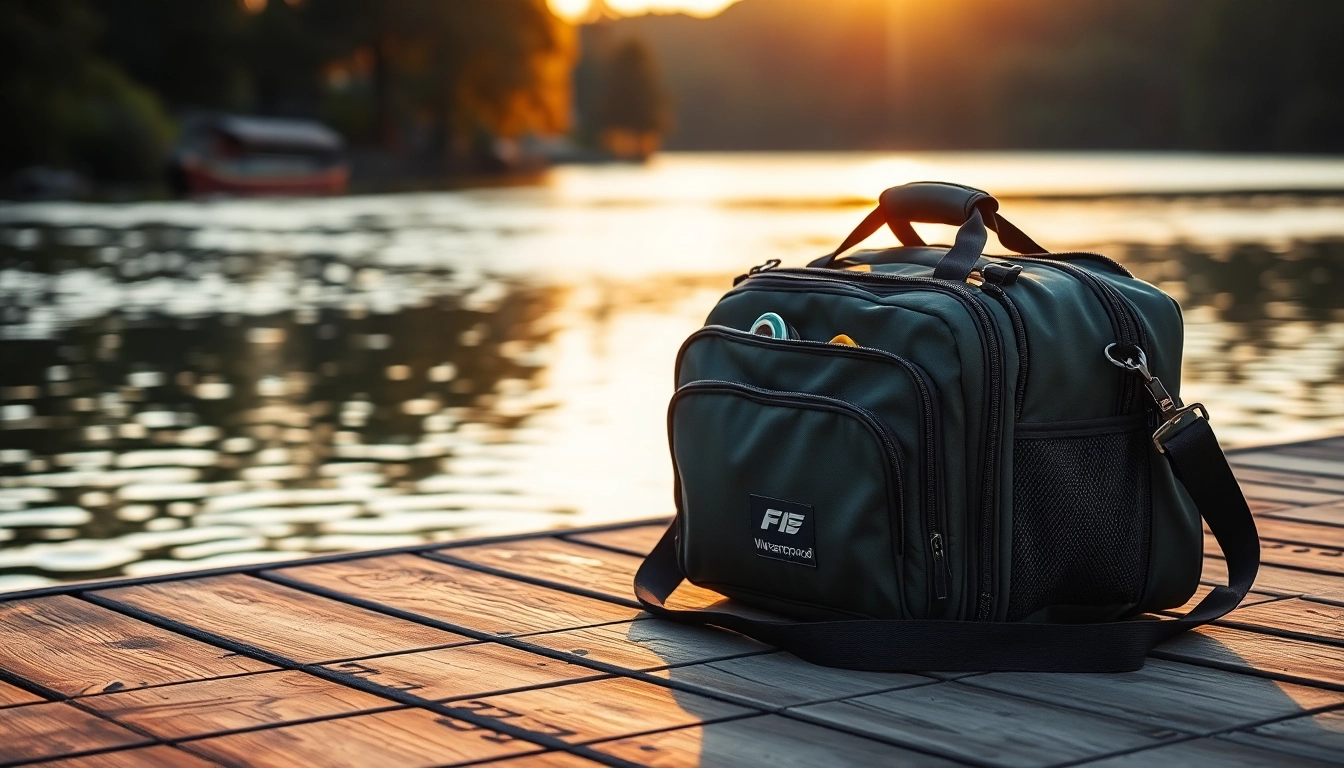
Understanding Fly Fishing Bag Features
When you're out on the water, a reliable Fly fishing bag becomes your best companion. It serves as a vital link between you and your fishing gear, ensuring everything you need is organized, easily accessible, and securely stored. To ensure you choose the perfect bag, you must understand the essential features that differentiate fly fishing bags from generic options.
Essential Qualities to Look For
Not all bags are created equal, especially in the world of fly fishing. Here are some essential qualities to consider:
- Comfort: A well-padded shoulder strap and back panel can significantly enhance your experience while trekking to your fishing spot.
- Water Resistance: Look for materials that can withstand splashes, rains, and damp environments. A water-resistant bag protects your gear and ensures longevity.
- Lightweight Design: Lightweight materials help reduce fatigue during long hours spent on the water, allowing you to focus more on fishing than on lugging gear around.
- Organizational Features: A knowledgeable angler understands the importance of organization. Pockets and compartments for tippets, flies, tools, and personal items streamline your workflow.
Types of Compartments and Their Uses
Understanding how compartments function can greatly enhance your fishing experience. Here are the main types:
- Main Compartment: This is typically the largest area, designed for bulkier items like jackets or a lunch pack.
- Front Pockets: These allow for quick access to flies, leaders, and other small essentials without rooting through the main compartment.
- Side Pockets: Great for water bottles or tools, side pockets enhance accessibility and balance the bag's weight distribution.
- Protected Compartments: Some bags feature waterproof or padded sections to keep valuable items like electronics safe.
Water Resistance and Durability
A fly fishing bag's ability to resist water is non-negotiable. The right materials enhance not only the bag's performance but also its lifespan. Consider the following:
- Nylon & Polyester: These synthetic materials are often treated with a waterproof coating, providing durability and resistance to abrasion.
- Zippers and Seams: Look for sealed seams and weatherproof zippers that prevent moisture from penetrating, ensuring your gear stays dry.
- Heavy-duty Construction: A well-structured fly fishing bag made from quality materials can withstand rough use, delivering durability in harsh environments.
Choosing the Best Fly Fishing Bag Size
Size matters when it comes to fly fishing bags. Selecting the right size depends on several factors, including your fishing style and how much gear you usually carry.
Compact vs. Spacious Options
Understanding the difference between compact and spacious fly fishing bags will help you determine what’s right for your outings:
- Compact Bags: Ideal for minimalist anglers who prefer lightweight setups and only the essentials, these bags are great for quick trips.
- Spacious Bags: Perfect for longer excursions or when fishing in multiple locations, spacious bags provide ample storage for all necessary gear.
How to Select the Right Fit
Finding the right fit is crucial. A well-fitting bag prevents discomfort and enhances maneuverability:
- Adjustable Straps: Choose bags with adjustable straps for a customizable fit, ensuring weight is distributed evenly across your body.
- Chest and Waist Straps: These prevent shifting while you move, which is especially important when navigating difficult terrains.
Storage Capacity for Different Fishing Styles
Your fishing approach significantly influences the type of bag you'll need:
- Fly-in Trips: Consider a larger bag that can handle enough gear to last several days.
- Wade Fishing: A compact, lightweight bag that carries only the essentials will serve you well when traversing rivers and streams.
- Lake Fishing: A medium-sized bag strikes a balance, suitable for gear needed for a full day on the boat.
Top Brands for Fly Fishing Bags
While we won't mention specific brands, understanding the qualities of reliable manufacturers can guide your purchasing decision.
What Makes a Brand Reliable
Brands known for quality fly fishing bags are typically:
- Industry Experience: A long-standing presence in the market suggests a commitment to quality and customer feedback.
- Innovative Designs: Brands that consistently look for ways to improve functionality and adjust to angler needs are worth considering.
Comparing Prices and Quality
A wise purchase means balancing price with quality. Here are tips for comparing effectively:
- Material Quality: Higher-quality materials often require a higher investment but provide better protection and durability over time.
- Warranty Options: Brands that offer warranties demonstrate confidence in their products and signal reliability.
Customer Reviews and Ratings
Before making a purchase, researching customer reviews can provide valuable insights. Pay attention to:
- Durability Feedback: Gather opinions on how well products hold up after repeated use.
- Comfort Insights: Look for comments regarding comfort during extended use, as this can be subjective.
Care and Maintenance of Fly Fishing Bags
Proper care ensures longevity. Follow these tips to keep your bag in prime condition.
Cleaning Tips for Longevity
Cleaning your bag can prevent mildew and maintain its appearance. Here’s how to do it:
- Regular Dusting: After each use, dust off your bag to maintain cleanliness.
- Washing Instructions: When deep cleaning is necessary, follow the manufacturer's washing guidelines to avoid damage.
Storage Tips When Not in Use
When not in use, how you store your Fly fishing bag matters:
- Avoid Damp Areas: Store the bag in a dry environment to prevent mold growth.
- Utilize Padding: If storing long-term, place padding inside to maintain its shape.
Repairing Common Damage
Over time, bags can sustain wear and tear, but many damages can be repaired:
- Sewn Repairs: Small tears can often be sewn back together.
- Patch Kits: Many outdoor stores sell repair kits specifically for quick fixes on waterproof materials.
Frequently Asked Questions
What is the ideal material for a Fly fishing bag?
Look for bags made from water-resistant fabrics like nylon or polyester to tackle various weather conditions.
How much storage space do I need in a Fly fishing bag?
This depends on your gear. A compact bag works for minimal setups; larger bags are better for extensive equipment.
Are Fly fishing bags eco-friendly?
Many brands now focus on sustainable materials, reducing environmental impact while maintaining quality.
Can I use a Fly fishing bag for hiking?
Absolutely! Many Fly fishing bags are versatile enough for hiking, providing ample space for essentials.
Do Fly fishing bags come with warranty options?
Yes, check with manufacturers for warranties, as many offer guarantees on craftsmanship and durability.