Understanding the Essence of Wedding Photography
Defining Wedding Photography
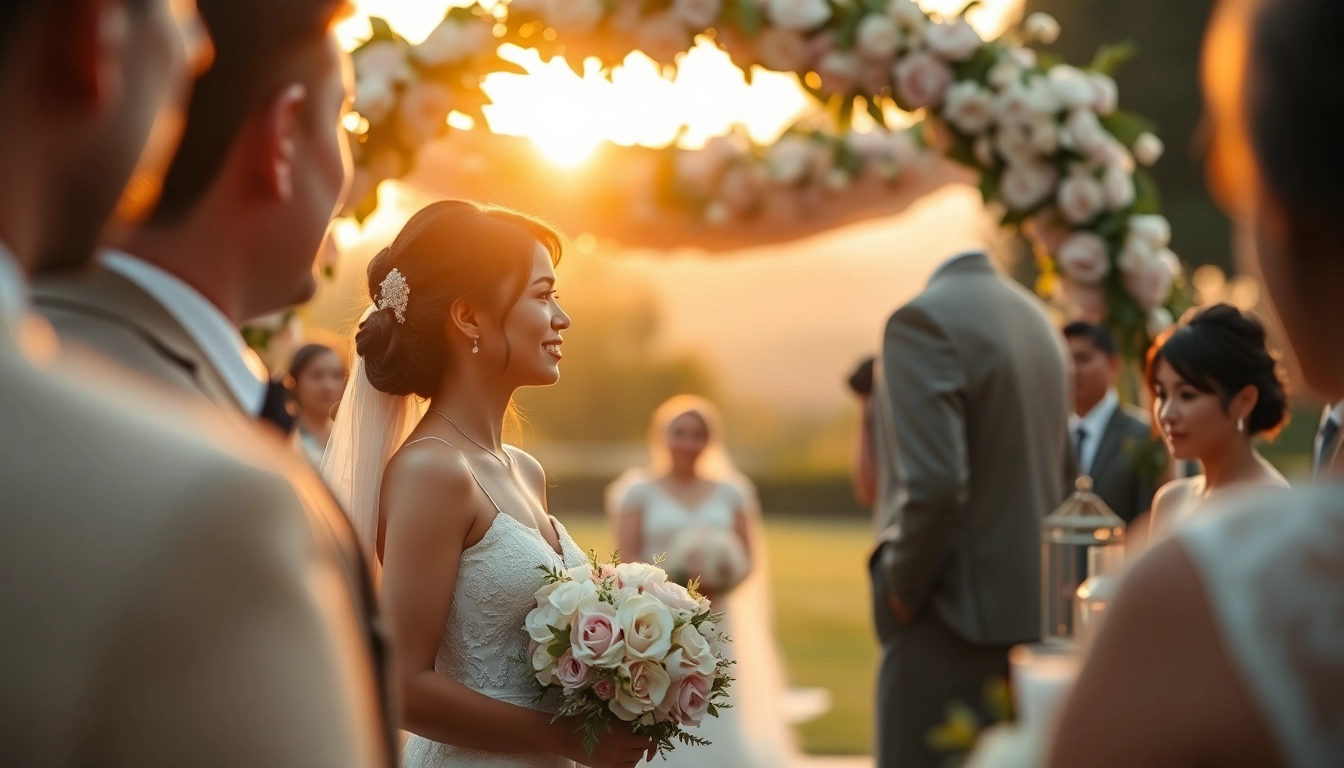
Wedding photography is the art of capturing one of the most significant days in a couple's life. It encompasses a wide range of photographic styles and techniques to ensure that every memorable moment is preserved for years to come. At its core, wedding photography is a blend of documentary, portraiture, and sometimes even fashion photography, aimed at telling a story through images. This form of art is not just about taking pictures; it is about crafting a visual narrative that reflects the couple's unique bond and the emotions of their special day.
Importance of Professional Photography
When it comes to weddings, hiring a professional photographer is crucial for several reasons. First, a professional will have the necessary skills to capture high-quality images that embody clarity, color, and composition. Second, professionals understand how to interact with couples and guests, ensuring that they remain unobtrusive while capturing candid moments. Third, the experience of a seasoned photographer provides couples with peace of mind, knowing that their special moments will be immortalized beautifully. Investing in professional Wedding photography guarantees that couples receive images that they can treasure for a lifetime.
Types of Wedding Photography Styles
Wedding photography comes in various styles, each offering a unique flair to capturing the day. Some of the most popular styles include:
- Traditional Photography: Focuses on posed family portraits and key moments of the event.
- Photojournalistic Photography: Captures candid moments throughout the day, telling a story without interference.
- Fine Art Photography: Emphasizes artistic expression, often focusing on details and unique perspectives.
- Editorial Photography: Similar to fashion photography, these images are styled in a way that showcases the couple like models, often using creative backgrounds and compositions.
- Documentary Photography: A realistic style that captures the event as it unfolds, highlighting emotions and events without staging.
Preparing for Your Wedding Photography
Choosing the Right Photographer
Selecting the right wedding photographer can be daunting, but it's critical for ensuring your vision is realized. Start by researching candidates, looking at their portfolios and client testimonials to gauge their work's quality and style. Arrange meetings to discuss your expectations and gauge their personality, as comfort with your photographer is vital. Remember to confirm their availability and be sure to review their contracts carefully.
Setting a Photography Timeline
A well-structured photography timeline is essential for ensuring that all critical moments are captured efficiently. Begin the timeline with preparations, including getting ready shots. Allocate time for family portraits, couple sessions, and candid moments throughout the ceremony and reception. Communicate this timeline with your photographer and wedding planner to avoid any last-minute stress.
Pre-Wedding Consultations
Pre-wedding consultations are a great opportunity to align your vision with your photographer. Discuss your preferred shots, must-have moments, and any specific concerns or ideas you may have. Share your wedding theme and colors, as this can significantly inform their approach to styling and settings. These preparatory discussions help the photographer anticipate your needs and deliver images that exceed your expectations.
Key Techniques and Tips for Stunning Wedding Photography
Mastering Composition and Lighting
Composition and lighting are cornerstones of exceptional wedding photography. Understanding the rule of thirds, leading lines, and framing techniques help create visually compelling images. Natural light is often the best option, so strive to utilize golden hour—shortly after sunrise or before sunset—for softer, stunning variations. When indoors, assess the venue's light sources and adjust camera settings to cater to varying light conditions.
Essential Equipment for Photographers
A well-equipped photographer is better prepared to respond to the unique challenges a wedding presents. Key equipment includes a DSLR or mirrorless camera, multiple lenses (a wide-angle for group shots and a fast prime lens for low-light and close-ups), and external flash units for controlled lighting. Other important items include memory cards, extra batteries, and possibly a drone to capture unique aerial shots of the venue.
Candid vs. Posed Photography
Finding the right balance between candid and posed photography is essential. Candid shots capture genuine emotions and spontaneous moments that highlight the joy of the day. In contrast, posed images provide an opportunity to showcase the couple and their families in a more controlled environment. Communicating your preferences clearly helps photographers tailor their approach, ensuring that both styles blend seamlessly.
Post-Production: Editing Your Wedding Photos
Basic Photo Editing Techniques
The journey of capturing stunning images does not end with taking them; post-production plays a significant role. Basic photo editing techniques include cropping, color correction, and adjusting brightness and contrast. These adjustments enhance the overall quality and bring the photographer's vision to life, aligning the final images with the couple's expectations.
The Role of Color Grading
Color grading is an essential component of post-production that imparts a specific mood or aesthetic to wedding photographs. Depending on the couple's preferences, photographers can choose a warm, vintage feel or a cooler, modern vibe. This technique must be applied consistently throughout the collection to maintain cohesion, creating a gorgeous visual story that resonates with the couple's style.
Delivering Final Products to Clients
Once the editing process is complete, delivering the final products to clients is the final and equally important stage. Photographers typically provide a beautifully packaged delivery of high-resolution images, often including a mix of online galleries for convenience and printed albums for a tangible keepsake. Discussing the preferred format during initial consultations can help align expectations and make this final step a smooth experience.
Frequently Asked Questions about Wedding Photography
How do I choose a wedding photographer?
Research portfolios to find a style that resonates with you, meet potential photographers to ensure good chemistry, and check reviews and references for reliability and professionalism.
What should I ask during a consultation?
Inquire about their photography style, previous experience, package details, timeline expectations, and how they handle unexpected situations on the wedding day.
How many hours of coverage will I need?
This depends on your day's schedule. Consider coverage for getting ready, the ceremony, couple portraits, and the reception. Generally, 8-10 hours offers comprehensive coverage.
When will I receive my wedding photos?
Most photographers take 4-12 weeks for photo delivery, depending on their workload and editing process. Ensure you ask for a timeframe during the consultation.
Can we customize our wedding photography package?
Yes, many photographers offer customizable packages. Discuss your specific needs and budget to tailor a package that meets your vision without added pressure.