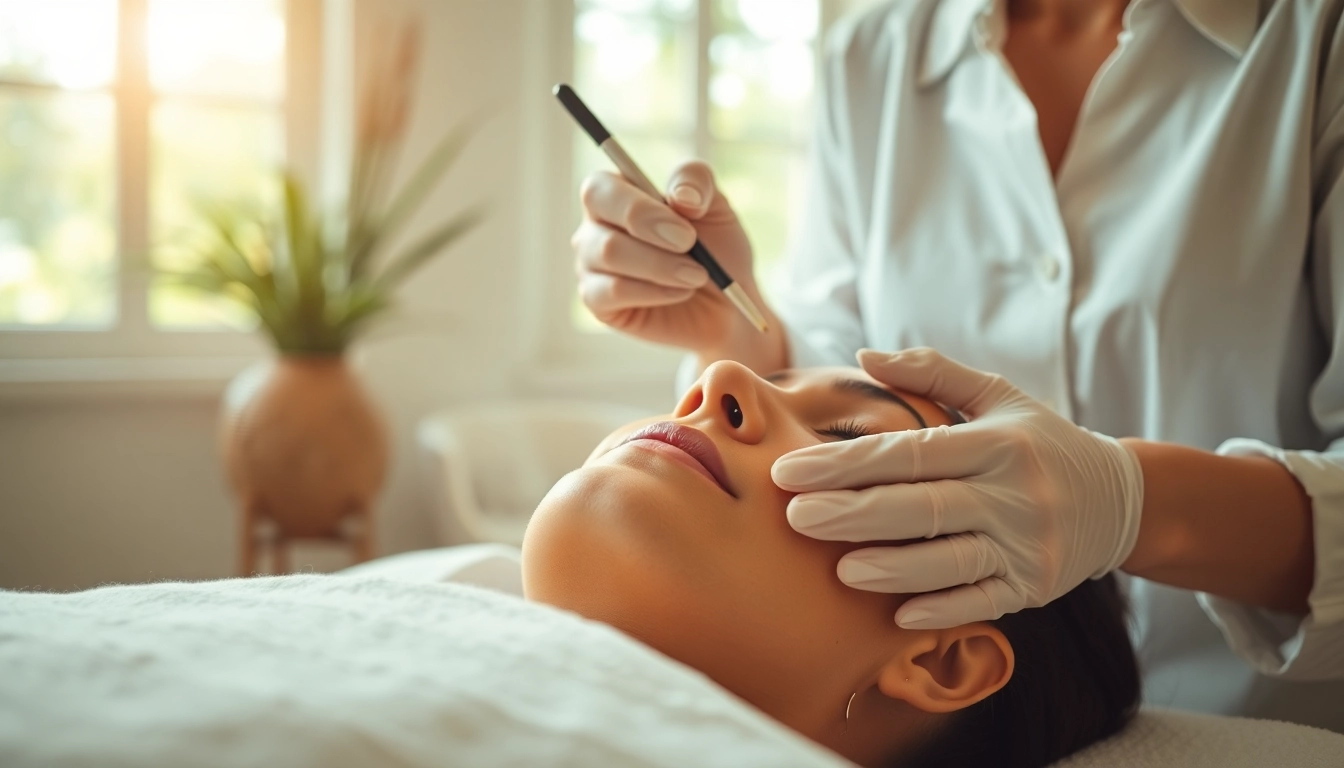
Understanding Face Treatments
Definition and Importance of Face Treatments
Face treatments encompass a variety of skincare procedures designed to improve the health and appearance of the skin on the face. These treatments can range from basic cleansing and moisturizing techniques to advanced procedures such as chemical peels and laser therapy. They are essential components in maintaining skin health, addressing specific skin concerns such as acne, aging, or dryness, and promoting a radiant complexion. Regular Face Treatments can significantly enhance the skin's vitality, making them crucial for both aesthetic and health purposes.
The Benefits of Regular Face Treatments
Engaging in regular face treatments offers numerous benefits, including:
- Improved Skin Texture: Routine treatments can help smooth the skin's surface, reducing roughness and uneven patches.
- Deep Cleansing: Facials and other face treatments can effectively remove impurities, excess oils, and dead skin cells.
- Enhanced Hydration: Specialized treatments can infuse moisture into the skin, combating dehydration and dryness.
- Targeted Solutions: Different treatments are tailored to treat specific issues like acne, hyperpigmentation, or aging signs.
- Increased Circulation: Many treatments stimulate blood flow, promoting a healthier and more youthful appearance.
Common Myths about Face Treatments
Despite the proven benefits, several misconceptions about face treatments persist:
- Myth 1: All face treatments are invasive. Not true! Many treatments are non-invasive and suitable for all skin types.
- Myth 2: Everyone should get the same treatment. Each individual’s skin is unique, requiring customized approaches.
- Myth 3: Treatments are only for women. Skin care is essential for all genders and ages.
Types of Face Treatments
Exfoliating Face Treatments
Exfoliating treatments focus on removing dead skin cells, which helps prevent clogged pores and promotes a brighter complexion. Common methods include:
- Physical Exfoliation: This involves using scrubs or tools like brushes to manually slough off dead skin.
- Chemical Exfoliation: Treatments such as chemical peels utilize acids (like AHAs or BHAs) to dissolve dead skin cells without manual scrubbing.
Regular exfoliation helps with skin renewal and can significantly improve overall skin tone and texture.
Hydrating and Nourishing Face Treatments
Hydration-focused treatments aim to replenish moisture, ensuring that the skin remains plump and healthy. Key types include:
- Hydrating Facials: These typically use masks and serums rich in hyaluronic acid to infuse moisture into the skin.
- Sheet Masks: Popular for their ease of use, sheet masks deliver concentrated doses of hydration directly to the skin.
These treatments are ideal for individuals with dry skin or those living in arid climates.
Advanced Face Treatments: What to Expect
For those seeking more advanced solutions, various medical-grade treatments are available to produce significant improvements:
- Laser Treatments: These can address issues like pigmentation, acne scars, and wrinkles, often providing fast and dramatic results.
- Botox and Fillers: While not traditional facials, these injectable treatments can drastically improve the appearance of wrinkles and volume loss in the face.
Consulting with a trained professional is essential to determine the best advanced treatment suited for individual skin concerns.
Selecting the Right Face Treatments for Your Skin Type
Identifying Your Skin Type
Before choosing a face treatment, understanding your skin type is vital. Skin types can be categorized into:
- Oily Skin: Characterized by excess sebum production, leading to shine and frequent breakouts.
- Dry Skin: Often feels tight and may show signs of flaking or cracking.
- Combination Skin: A mix of oily and dry areas, requiring a balanced approach.
- Sensitive Skin: Prone to redness and irritation, requiring gentle and tailored treatments.
Best Treatments for Oily and Acne-Prone Skin
For individuals with oily or acne-prone skin, treatments should focus on controlling oil production and preventing breakouts. Options include:
- Salicylic Acid Peels: These help exfoliate the skin and clear out clogged pores.
- Clay Masks: Effective at absorbing excess oil and providing a deep clean.
- Light Therapy: Utilizes specific wavelengths to reduce acne-causing bacteria.
Choosing Treatments for Sensitive Skin
Sensitive skin requires special consideration to avoid reactions. Recommended treatments include:
- Soothing Facials: These use gentle, hydrating ingredients, often free from fragrances and harsh chemicals.
- Hypoallergenic Products: Utilizing products specifically designed for sensitive skin can minimize irritation.
At-Home vs. Professional Face Treatments
Advantages of Professional Face Treatments
Professional face treatments provide numerous advantages:
- Expertise: Trained professionals can tailor treatments to individual skin needs.
- Advanced Techniques: Many professional treatments deliver results that are hard to achieve at home.
- Immediate Results: Many procedures offer quick improvements in skin appearance.
Effective At-Home Face Treatments
At-home treatments can also be highly effective, especially when using the right products:
- DIY Masks: Homemade masks using natural ingredients can provide significant hydration and nourishment.
- Regular Exfoliation: Gentle scrubs or chemical exfoliants can be integrated into a weekly routine.
Consistency is key to achieving desired results with at-home treatments.
Combining At-Home and Professional Care
Integrating both at-home and professional treatments can maximize skincare benefits. Regular professional sessions complemented by at-home routines allow for continuous care and maintenance of skin health. Adjusting the type of home care based on the effects seen from professional treatments is often a successful strategy.
FAQs about Face Treatments
What is the best frequency for Face Treatments?
The frequency of face treatments varies by skin type and treatment type, but generally, once a month for professional treatments and weekly for at-home care is effective.
Can Face Treatments help reduce signs of aging?
Yes, specific treatments like chemical peels, microdermabrasion, and laser therapy can significantly reduce wrinkles and fine lines, improving skin elasticity.
Are Face Treatments safe for all skin types?
Most face treatments can be tailored for all skin types, but sensitivities mean some treatments may require modification or avoidance for certain individuals.
How do I prepare my skin for Face Treatments?
Preparing for face treatments typically involves avoiding sun exposure, refraining from using harsh products, and ensuring the skin is clean and free of makeup.
What ingredients should I look for in Face Treatments?
Look for hydrating ingredients such as hyaluronic acid, exfoliating agents like alpha hydroxy acids (AHAs), and soothing ingredients like aloe vera, especially for sensitive skin.