What is an Industrial Sweetener?
Definition and Examples
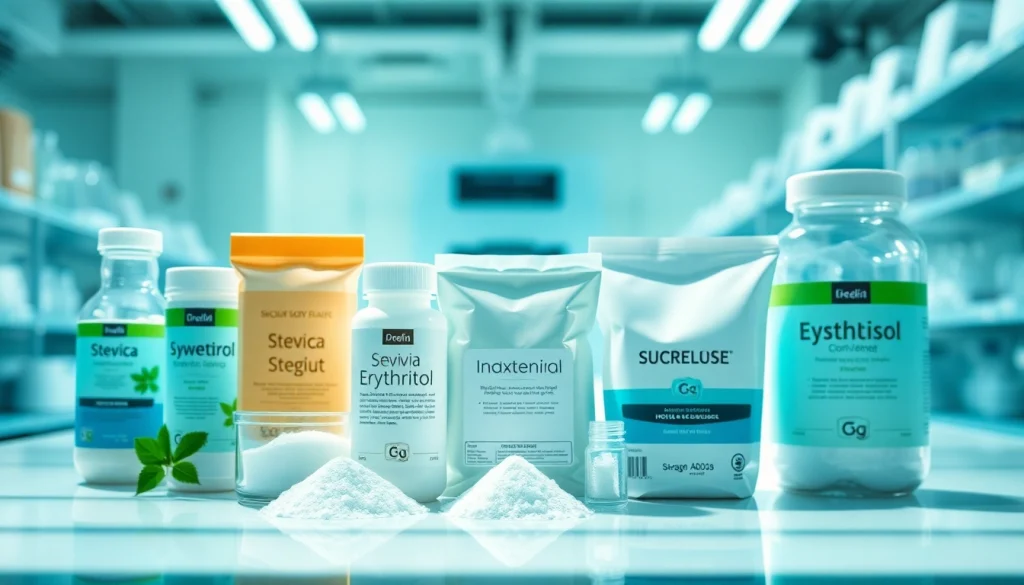
An industrial sweetener is a substance used to impart sweetness to food and beverages on a manufacturing scale. Unlike regular table sugar, which is primarily composed of sucrose, industrial sweeteners may include a variety of compounds that can be natural, synthetic, or derived from plants. Examples of industrial sweeteners include industrial sweetener alternatives like aspartame, sucralose, and natural sweeteners like stevia and monk fruit extract. These sweeteners are valued for their ability to provide sweetness with fewer calories, or even none at all, compared to traditional sugars.
Common Applications
Industrial sweeteners have a wide range of applications across various sectors, including food manufacturing, pharmaceuticals, and beverages. In the food industry, they are commonly used in products like soft drinks, candies, baked goods, and dairy products. In pharmaceuticals, sweeteners are often added to syrups or chewable tablets to enhance palatability, particularly for pediatric use. Their ability to blend seamlessly with other ingredients while enhancing overall flavor profiles makes them essential in production.
Health Considerations
With growing health concerns over sugar consumption, particularly regarding obesity and diabetes, industrial sweeteners have emerged as popular alternatives. While some may pose risks, regulatory agencies like the FDA and EFSA have deemed many of these sweeteners safe for general consumption when used within acceptable daily intakes. However, individuals sensitive to specific compounds may experience side effects, making it essential for consumers to read labels and understand which sweeteners they are consuming.
Types of Industrial Sweeteners
Naturally Derived Sweeteners
Naturally derived sweeteners are extracted from plants and are often perceived as healthier alternatives to synthetic options. Examples include stevia, derived from the leaves of the Stevia rebaudiana plant, and agave nectar. These sweeteners carry the advantage of offering a more complex flavor profile while being low in calories. Additionally, they often possess health benefits, such as antioxidants, making them appealing for health-conscious consumers.
Synthetic Sweeteners
Synthetic sweeteners are chemically manufactured and include well-known products like aspartame, saccharin, and sucralose. These sweeteners are much sweeter than sugar—sometimes hundreds of times sweeter—which means only small amounts are necessary to achieve the desired sweetness. Their longevity and stability in various food applications often make them a preferred choice for manufacturers looking to optimize flavor without compromising shelf life.
Intense Sweeteners
Intense sweeteners are characterized by their exceptional sweetness potency compared to sugar. This category includes both synthetic and natural options, with common names like acesulfame potassium (Ace-K) and thaumatin. Intense sweeteners are often used in products targeted towards calorie-restricted diets or in beverages where high sweetness levels are desired without additional calories. Their unique properties also aid in flavor enhancement and balancing bitterness in certain formulations.
Advantages of Using Industrial Sweeteners
Cost-Effectiveness
One of the key advantages of using industrial sweeteners is their cost-effectiveness, particularly in large-scale manufacturing. With the rising costs of sugar and its derivatives, manufacturers are increasingly turning to cheaper sweetening alternatives. Given that industrial sweeteners can be considerably sweeter than sugar, smaller quantities are needed, which translates to lower shipping costs and reduced overall ingredient expenses.
Low-Calorie Options
Many industrial sweeteners offer low-calorie or zero-calorie solutions that do not contribute to total caloric intake. This feature has become especially important with rising awareness of obesity and metabolic disorders. Products leveraging these sweeteners can effectively cater to health-conscious consumers or those following low-calorie dietary plans without sacrificing flavor.
Product Quality Improvement
Industrial sweeteners can enhance the overall quality of products. Their unique sweetness profiles can complement and diversify flavors, providing manufacturers with the ability to craft superior tasting products. Moreover, some sweeteners can improve texture and mouthfeel, making them essential in applications like low-fat or sugar-free foods, where texture might otherwise be compromised. By integrating industrial sweeteners, manufacturers can elevate their offerings to satisfy consumer expectations.
Choosing the Right Industrial Sweetener
Factors to Consider
When selecting an industrial sweetener, manufacturers must consider several factors, including sweetness intensity, flavor profile compatibility, stability under heat and acid conditions, and regulatory approvals. It is also crucial to evaluate consumer preference trends, as health-oriented consumers may favor natural or plant-based alternatives over synthetic options. Conducting market research can illuminate which sweeteners are most sought after in the target market.
Common Misconceptions
Various misconceptions exist surrounding industrial sweeteners, including the belief that all are unsafe or that they cause adverse health effects. However, many regulatory bodies endorse the safety of industrial sweeteners when consumed within established limits. Another common myth is that sweeteners significantly alter flavor profiles; in fact, when used appropriately, they can enhance the sensory experience of food products.
Market Trends
The sweetener market is continuously evolving, with trends favoring clean-label products and natural sweeteners. As consumers demand transparency and health-conscious choices, many manufacturers are pivoting to include more naturally derived sweeteners in their formulations. Additionally, innovations are emerging in blending sweeteners to achieve unique flavor pairings, meeting the balancing act of taste, health, and cost-effectiveness.
FAQs about Industrial Sweeteners
Are industrial sweeteners safe for consumption?
Yes, many industrial sweeteners are deemed safe for consumption when used within established daily limits by regulatory authorities like the FDA and EFSA. However, individual sensitivities may exist.
How do industrial sweeteners affect taste?
Industrial sweeteners can enhance the sweetness without the calories associated with sugar. They can also balance bitterness in formulations, improving overall flavor profiles.
Can industrial sweeteners be used in baking?
Yes, many industrial sweeteners can be used in baking, but it’s essential to choose those that are heat-stable to maintain sweetness and quality during the baking process.
What is the shelf life of industrial sweeteners?
The shelf life of industrial sweeteners varies depending on the type and storage conditions, but many retain their sweetness and quality for years when kept in proper environments.
How do industrial sweeteners compare to sugar?
Industrial sweeteners are often much sweeter than sugar, requiring less quantity for the same sweetness level. Many are low-calorie, providing a favorable option for weight management.