Understanding Wedding Bands
Wedding bands are more than just decorative pieces; they symbolize a couple’s love and commitment to one another. Traditionally exchanged during wedding ceremonies, these rings hold emotional significance and practical aspects requiring careful consideration. As you explore the world of wedding bands, understanding what they signify and the various options available is crucial.
What Are Wedding Bands?
A wedding band is typically a simple, unadorned ring worn by partners as a sign of their union. Unlike engagement rings, which often possess intricate designs and a central gemstone, wedding bands are generally more understated. They may be crafted in a matching style to complement the engagement ring but can also stand alone, reflecting personal taste and style.
Types of Wedding Bands
Wedding bands come in various forms to suit different tastes and lifestyles. The primary types include:
- Classic Bands: Simple and elegant, often made of precious metals.
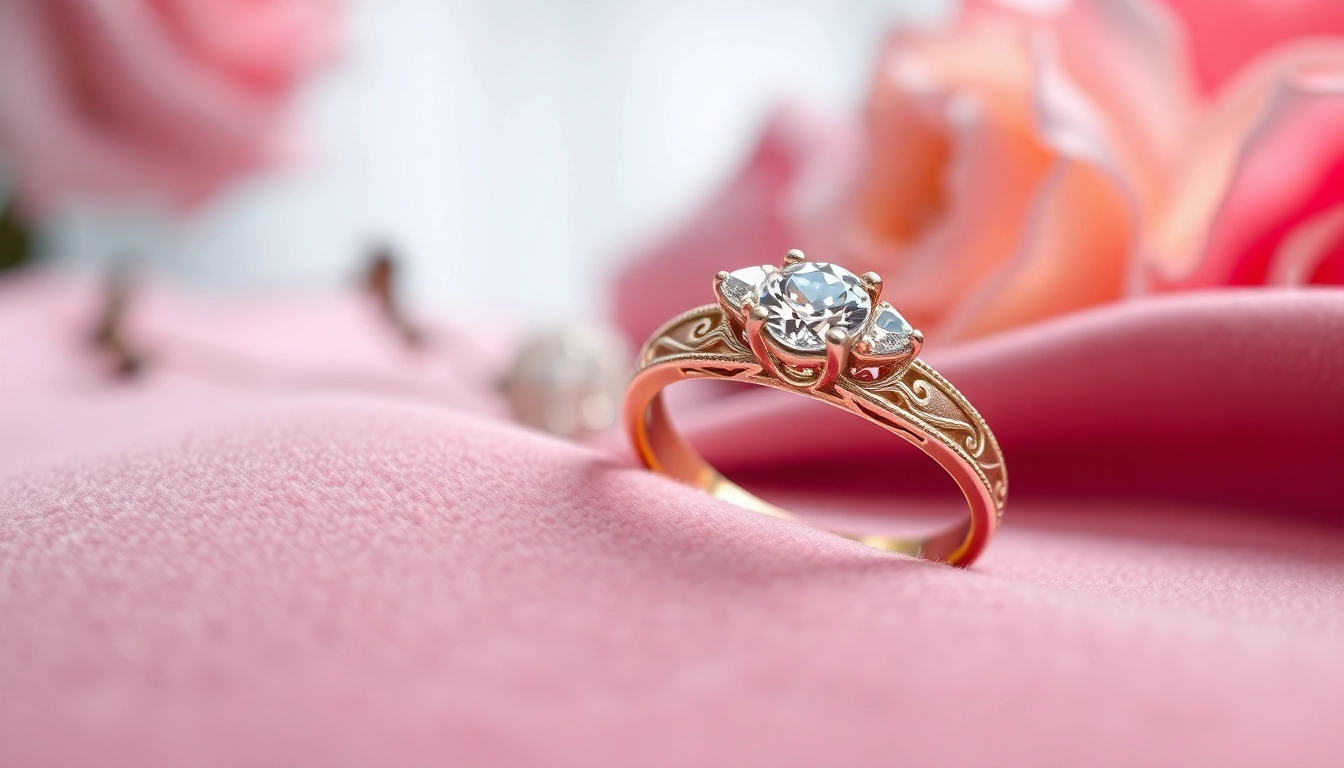
- Diamond Bands: Featuring diamonds or other gemstones, adding sparkle and individuality.
- Contemporary Bands: Modern designs with unique textures or shapes.
- Stackable Bands: Thin bands meant to be worn together, allowing for versatility.
Materials Used in Wedding Bands
The choice of material is pivotal when selecting a wedding band. Common materials include:
- Gold: Available in yellow, white, and rose, gold is timeless and warm.
- Platinum: Renowned for its durability and rarity, it maintains brilliance over time.
- Silver: More affordable but requires regular polishing to maintain shine.
- Tungsten and Titanium: These modern metals offer a contemporary look and unrivaled strength.
Popular Styles of Wedding Bands
Classic Wedding Bands
Classic wedding bands are streamlined and traditional, often chosen for their effortless elegance. They can be made from various metals, including gold and platinum, and are designed to symbolize the eternity of the marriage. Their simplicity allows them to pair with nearly any engagement ring, making them a popular choice for many couples.
Modern Wedding Bands
For couples with a taste for contemporary design, modern wedding bands offer unique shapes and features like brushed finishes, angular cuts, or asymmetrical designs. These bands often incorporate alternative materials like tungsten or ceramic, appealing to those looking for something that stands out while still serving its significant purpose.
Custom Wedding Bands
Custom wedding bands allow couples to create a piece that reflects their story and style preferences. This can include personalized engravings, unique motifs, or even custom metal mixes. Working with a skilled jeweler ensures the final product is both meaningful and visually stunning, making it a cherished piece for a lifetime.
Choosing the Right Wedding Band
Considering Your Lifestyle
When selecting a wedding band, it’s essential to consider your daily activities and lifestyle. Those with active lifestyles may prefer durable materials like titanium or tungsten that can withstand wear and tear, while individuals with more sedentary jobs might opt for softer metals that are easier to maintain. Understanding your daily routine will help guide your decision.
Size and Fit for Wedding Bands
Finding the perfect fit is crucial for comfort and security. It is advisable to get professionally measured, especially since finger sizes can fluctuate due to factors like temperature or weight changes. Not all rings can be resized, so consider your size carefully during the selection process.
Matching Wedding Bands
Some couples choose matching wedding bands to symbolize their unity. While these can be identical, they don’t have to be. Personalized touches such as different finishes or subtle variations can express individuality while maintaining a cohesive look. Discuss your preferences to find a balance that feels right for both partners.
Budgeting for Wedding Bands
Understanding Pricing Factors
The price of wedding bands varies widely based on factors such as material, brand, design complexity, and any additional features like engravings or gemstones. Gold and platinum bands generally carry higher price tags than silver or alternative metals. It’s essential to consider these factors when budgeting for your wedding bands.
Saving Tips for Wedding Bands
Budgeting for wedding bands can be challenging, but there are ways to save. Consider shopping during sales or off-peak seasons, exploring alternative materials, or opting for simpler designs that don’t skimp on meaning. Setting a clear budget beforehand and sticking to it can also help guide your decisions and minimize impulsive spending.
Where to Buy Wedding Bands
Wedding bands can be purchased from various sources, including local jewelers, online retailers, and department stores. Each option has its benefits, from personalized service at local shops to the extensive selections that online platforms offer. Researching sellers, reading reviews, and comparing prices can assist in finding the perfect band at the right price.
FAQs about Wedding Bands
Your Wedding Band Questions Answered
1. How do I choose the right width for my wedding band?
The width of your wedding band can impact both comfort and style. Consider your finger size and proportion when selecting width. Generally, broader bands are more suited to larger hands, while narrower bands work well for smaller hands.
2. Can wedding bands be resized?
Yes, most wedding bands can be resized, but some materials are more difficult to adjust. Always consult with your jeweler to understand the resizing options and limits for your selected band.
3. What if I want to change my wedding band style later?
Wedding bands can often be modified with additional features like engravings or by remaking them entirely. Consider discussing future possibilities with your jeweler to choose a style that allows for potential customization.
4. How can I care for my wedding band?
Caring for your wedding band involves regular cleaning and proper storage. Using a mild soap and a soft cloth can keep it looking new. Avoid wearing it during activities that could cause damage.
5. What is the best metal for a wedding band?
The best metal depends on personal preference, lifestyle, and budget. For durability, consider tungsten or platinum. For classic elegance, gold is a timeless option. Evaluate what works best for you.