
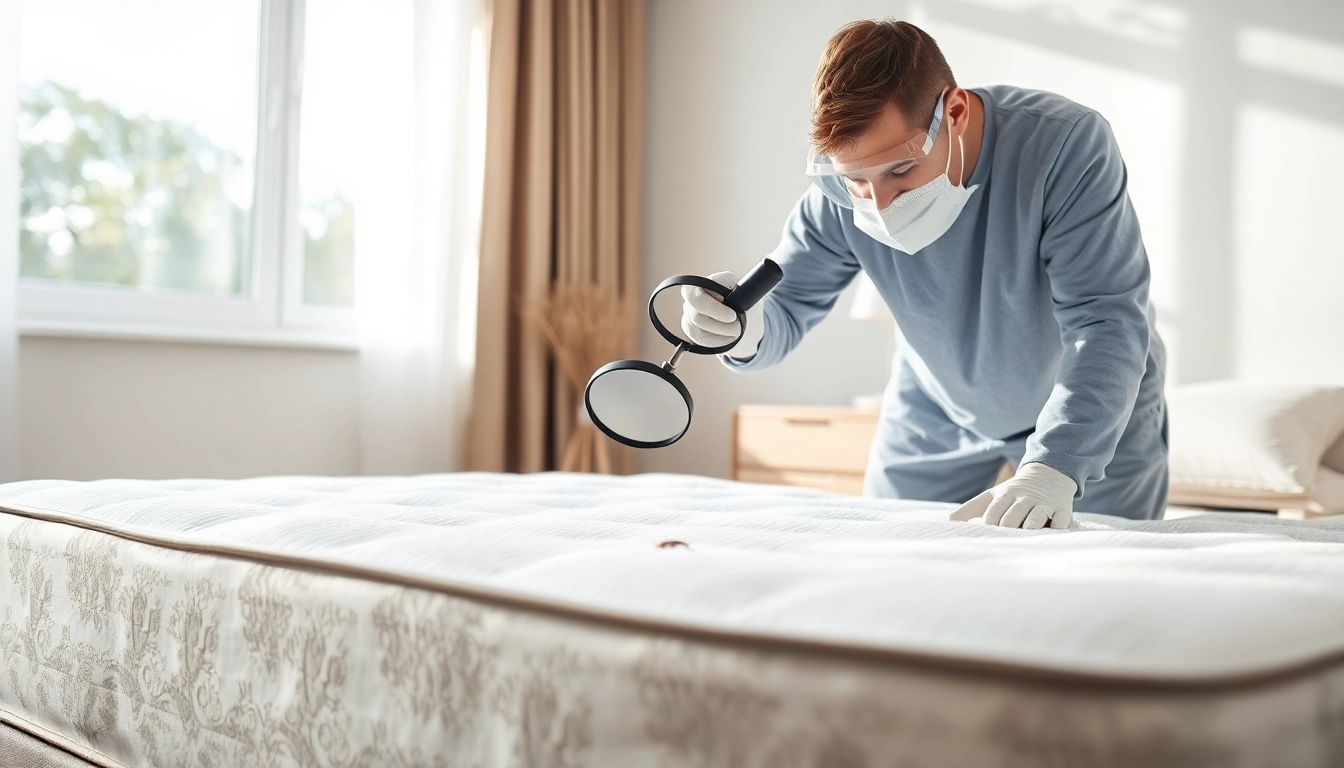
Understanding Bed Bug Infestations
What Are Bed Bugs?
Bed bugs are small, wingless insects that belong to the family Cimicidae. They primarily feed on the blood of humans and animals, which makes them particularly adept at living in close proximity to their hosts. Adult bed bugs measure about 4 to 5 mm in length and are oval-shaped with a reddish-brown coloration. Despite their name, bed bugs can be found in various locations within a home, including couches, chairs, and even electrical outlets. Understanding their biology and habits is essential for effective control and extermination.
Signs of Infestation
Recognizing a bed bug infestation early can prevent a larger problem. Common signs include:
- Blood Stains: Small dark or reddish spots on bedding or mattresses can indicate bed bug bites.
- Molted Skin: As bed bugs grow, they shed their exoskeletons, which may be found in hiding spots.
- Live Bugs: Spotting live bed bugs during inspections is a clear sign of infestation.
- Musty Odor: A strong, sweet smell may be noticeable, typically caused by bed bug secretions.
Risks Associated with Bed Bugs
Beyond discomfort and the inconvenience of an infestation, bed bugs pose several risks, including:
- Health Issues: While bed bugs are not known to transmit diseases, their bites can cause severe allergic reactions in some individuals, leading to secondary infections from scratching.
- Psychosocial Effects: Infestations can lead to anxiety, insomnia, and depression due to sleeplessness and stress over the problem.
- Damage to Property: Bed bugs can affect the integrity of furnishings, leading to costly replacements.
Choosing the Right Extermination Method
Heat Treatment vs. Chemical Treatment
Two primary methods for bed bug extermination are heat treatment and chemical treatments, each with its advantages and disadvantages:
Heat Treatment
This method involves raising the temperature of the infested area to levels lethal to bed bugs (around 120°F or higher). The advantages include:
- Fast Results: Often effective in a single session.
- Non-toxic: Safe for people and pets, as it largely eliminates the need for chemicals.
However, heat treatment requires professional equipment and expertise.
Chemical Treatment
Chemicals used in extermination come in various formulations, such as sprays and dusts. Benefits include:
- Environmental Prevalence: Available in many products and adaptable to different situations.
- Cost-effectiveness: Generally lower initial costs compared to heat treatment.
Despite these advantages, it may require multiple applications and can pose health risks if not used cautiously.
DIY Solutions vs. Professional Services
Homeowners often wonder whether they can handle extermination themselves or if they should seek professional help. DIY options can include using various over-the-counter insecticides, steam cleaners, and vacuums. However, these are often less effective, primarily if the infestation is extensive.
Professional services, on the other hand, offer thorough inspections and tailored treatment plans based on the severity of the infestation. They also utilize advanced methods that are typically more effective and can provide follow-up services to ensure complete eradication.
Factors Influencing Treatment Choice
Choosing the best extermination method can be influenced by several factors:
- Severity of Infestation: Mild infestations may be manageable with DIY methods, while severe infestations often require professional intervention.
- Health Concerns: Households with pets or small children may prefer non-toxic methods like heat treatment.
- Cost: Budget considerations can also play a significant role in the decision, as prices can vary widely.
Preparing Your Home for Extermination
What to Expect During the Process
Before treatment begins, an exterminator will conduct a thorough inspection of the property to identify the extent of the infestation. Depending on the chosen method, they may discuss the specifics of how the treatment will proceed, including the estimated time duration.
Essential Steps for Preparation
Proper preparation can enhance treatment effectiveness. Here are essential steps homeowners should take:
- Clear the Area: Remove personal belongings from affected rooms to allow accessibility.
- Wash Linens: Wash all bedding and clothing in hot water to kill any bed bugs on fabrics.
- Vacuum Thoroughly: Vacuum floors, carpets, and furniture to remove as many bugs and eggs as possible.
Post-Treatment Recommendations
After treatment, it’s crucial to monitor the area for any signs of resurgence. Recommendations often include:
- Keeping treated areas clutter-free to prevent re-infestation.
- Following up with the professional pest control service for any necessary check-ups.
- Implementing preventive measures such as regular inspections and maintaining cleanliness.
Cost of Bed Bug Extermination Near Me
Average Pricing Overview
The cost of bed bug extermination varies widely based on several factors, including geographic location, severity of infestation, and the chosen method. On average, homeowners can expect to pay between $300 and $1,500. Heat treatments generally command a higher price due to the equipment and expertise required.
Factors That Affect Cost
Several variables can influence the overall cost:
- Extent of Infestation: A more significant infestation typically means higher costs due to additional treatments needed.
- Location: Prices may vary depending on the local cost of living and availability of services.
- Method of Treatment: As mentioned, some methods are inherently more expensive than others.
Insurance Coverage for Bed Bug Treatments
Many insurance policies do not cover bed bug extermination, as they are often classified as preventable pests. Homeowners should check their policies for any specific clauses or consult with their insurers for clarification. Establishing regular pest control services may be more effective to mitigate future costs.
FAQs About Bed Bug Extermination Near Me
How do I know if I have bed bugs?
Look for bites, blood stains, molted skins, or live insects in your bedding and furniture. A professional inspection can confirm their presence.
Can I treat bed bugs myself?
Yes, DIY treatments are available, but they may not be as effective. Professional treatments usually provide more thorough and lasting results.
How long does treatment take?
Treatment duration varies based on the method used and severity of the infestation. Most treatments can take a few hours or may require multiple visits.
What are the signs of successful extermination?
Reduced sightings of bed bugs, lack of new bites, and no signs on bedding indicate successful extermination. Follow-up checks can help verify.
Is bed bug extermination covered by insurance?
Typically, bed bug treatments are not covered by insurance as they are considered preventable. Always check your policy for specifics.
If you’re struggling with an infestation, consider options for bed bug extermination near me to regain control of your space.