- Understanding Lvp Flooring: What Makes It a Great Choice?
- Installation Guide: How to Install Lvp Flooring Effectively
- Design Inspirations: Using Lvp Flooring to Elevate Home Décor
- Comparing Lvp Flooring with Other Flooring Options
- Maintenance and Care: Keeping Your Lvp Flooring Pristine
- Frequently Asked Questions
Understanding Lvp Flooring: What Makes It a Great Choice?
Luxury vinyl plank flooring, commonly known as lvp flooring, has taken the interior design world by storm. This flooring option melds aesthetic appeal with functional performance, making it a preferred choice for homeowners and designers alike. Its composition, which primarily comprises polyvinyl chloride (PVC), not only contributes to its durability but also offers a versatile range of design options that reflect various styles.
Benefits of Lvp Flooring Over Traditional Materials
When comparing lvp flooring to traditional flooring materials such as hardwood or ceramic tile, several advantages emerge:
- Cost-Effectiveness: Lvp flooring typically costs less than hardwood and tile, making it an accessible option for those on a budget.
- Water Resistance: Unlike hardwood, lvp flooring is inherently water-resistant, making it ideal for areas prone to moisture, such as kitchens and bathrooms.
- Easy Installation: Most lvp flooring comes with a click-lock installation method, allowing even DIY enthusiasts to manage the installation process efficiently.
- Design Versatility: Lvp can imitate a wide variety of materials, providing the look of real wood, stone, or tile at a fraction of the cost.
Durability Factors and Maintenance Tips
Durability is one of the standout features of lvp flooring. When properly installed and maintained, it can last between 10 to 20 years. Key factors contributing to its durability include:
- Thickness: Lvp flooring thickness generally ranges from 2mm to 8mm. Opting for thicker planks can enhance comfort and durability.
- Wear Layer: The protective wear layer is a crucial component that fends off scratches and dents. A thicker wear layer offers improved longevity.
- Regular Maintenance: Simple maintenance practices such as sweeping, vacuuming, and using a damp mop with appropriate cleaning solutions can help keep lvp flooring looking pristine.
Choosing the Right Style for Your Home
When it comes to style, the abundance of choices in lvp flooring can be both exciting and overwhelming. Here’s how to narrow down your options:
- Color Palette: Think about the existing color scheme of your home. Lighter shades can create an airy ambiance, while darker tones add warmth.
- Style Type: From rustic wood visuals to sleek modern looks, match the style with your home’s overall aesthetic.
- Texture: Textured surfaces can enhance the realism of wood and stone looks while adding a tactile element to your space.
Installation Guide: How to Install Lvp Flooring Effectively
When installing lvp flooring, following a proper procedure is crucial to achieve the best results. Here’s a guide to help you through the process:
Preparation: Tools and Materials Needed
Before starting, gather the following tools and materials:
- Measuring tape
- Utility knife
- Hammer
- Pull bar
- James reinforcer or underlayment (if needed)
- Clean cloth
- Square and chalk line
Step-by-Step Installation Process
- Acclimate Planks: Let the planks acclimate in the installation area for 48 hours prior to installation to avoid expansion or contraction after laying.
- Prepare the Subfloor: Ensure the subfloor is clean, dry, and level. Repair any imperfections before proceeding.
- Begin Installation: Start in a corner of the room and lay the first plank. Use spacers along the edges to allow for expansion.
- Continue Laying Planks: Connect planks using the click-lock method, ensuring a tight fit. Use a pull bar as necessary for the final pieces.
Common Mistakes to Avoid During Installation
While installing lvp flooring can be straightforward, common pitfalls can lead to complications:
- Neglecting Acclimation: Failing to acclimate the flooring can cause issues with expansion and contraction once installed.
- Incorrect Measuring: Accurately measure your space and planks to avoid miscalculations and wasted materials.
- Skipping Underlayment: Depending on the lvp type and subfloor, underlayment can provide better insulation and make installation easier.
Design Inspirations: Using Lvp Flooring to Elevate Home Décor
lvp flooring offers a plethora of design possibilities, allowing homeowners to elevate their interiors creatively. Here are some inspirations:
Color Schemes That Complement Lvp Flooring
Choosing the right color scheme can significantly enhance the aesthetic of your space. Consider the following palettes:
- Neutral Tones: Beige or grey lvp flooring can serve as a perfect backdrop for colorful furnishings and artwork.
- Bold Contrasts: Pair darker floors with light walls for a striking visual contrast.
- Earthy Hues: Greens, browns, and other earth tones can create a warm, inviting space.
Incorporating Lvp Flooring in Different Areas
lvp flooring’s versatility allows it to fit seamlessly into various environments:
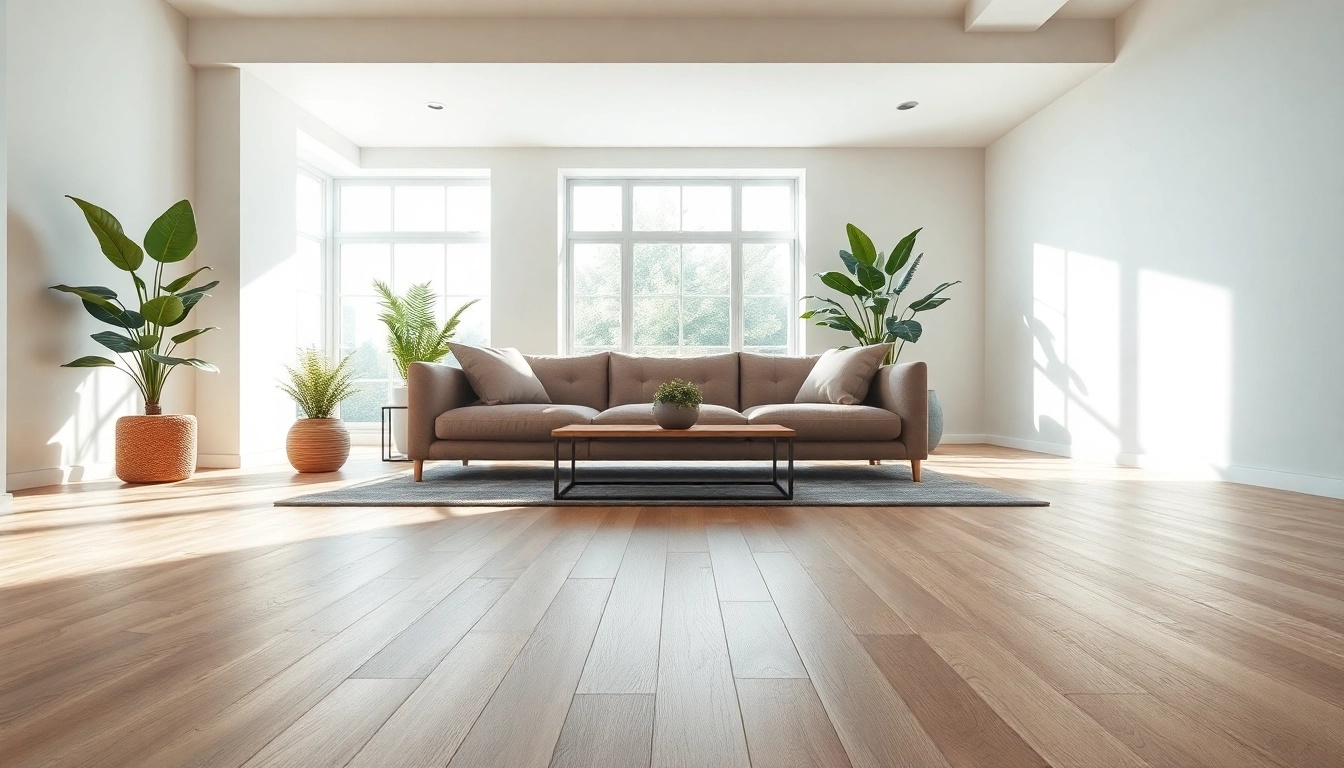
- Living Rooms: Consider large planks for a sophisticated look that can endure heavy foot traffic.
- Kitchens: Water-resistant features make it ideal, along with a design that mimics stone finishes for added elegance.
- Bedrooms: Soft wood visuals can create a cozy, serene atmosphere conducive to restful nights.
Case Studies: Stylish Interiors Featuring Lvp Flooring
Looking to real-world examples can inspire your design choices:
- Modern Minimalism: A home featuring light grey lvp flooring paired with white walls and minimalist furniture brings a fresh, airy vibe.
- Rustic Farmhouse: Dark, weathered wood-look lvp flooring enhances a cozy, rustic feel, complemented by wooden beams and plush textiles.
- Contemporary Chic: In a contemporary apartment, sleek, dark lvp flooring contrasted against light cabinetry and vibrant artwork creates a dynamic atmosphere.
Comparing Lvp Flooring with Other Flooring Options
It’s essential to weigh the pros and cons of lvp flooring against other popular flooring choices like hardwood and tile.
Cost Analysis: Lvp Flooring vs. Hardwood and Tile
Cost is often a deciding factor in flooring choice. Here’s a simple breakdown:
- Hardwood: Typically ranges from $6 to $12 per square foot, excluding installation.
- Tile: Costs vary widely based on material (ceramic vs. porcelain), averaging $3 to $20 per square foot.
- Lvp Flooring: Generally, lvp flooring costs between $2 to $7 per square foot, making it an economically favorable choice.
Performance Comparison: Longevity and Wear
The longevity of flooring options can greatly affect long-term satisfaction:
- Hardwood: Can last for decades, but is prone to scratching and water damage.
- Tile: Highly durable and resistant to moisture but can be cold and hard underfoot.
- Lvp Flooring: Offers excellent durability and resistance to moisture, with the added benefit of retaining warmth and reducing noise.
Eco-friendliness of Lvp Flooring
As sustainability becomes a priority, comparing eco-friendliness is crucial:
- Hardwood: Harvesting timber can lead to deforestation unless sourced from sustainable forests.
- Tile: Typically made from natural materials, but production processes can consume significant energy.
- Lvp Flooring: Many brands focus on creating eco-friendly vinyl with low VOC emissions, making it a safe choice for indoor air quality.
Maintenance and Care: Keeping Your Lvp Flooring Pristine
To prolong the life and beauty of your lvp flooring, follow these maintenance guidelines:
Routine Cleaning Guidelines
Regular cleaning is essential to maintain your lvp flooring. Here’s how to do it effectively:
- Dust Regularly: Use a broom or vacuum (with a hard surface setting) to remove dirt and debris.
- Monthly Deep Clean: Use a damp mop with a gentle cleaner formulated for vinyl floors, avoiding harsh chemicals or excessive water.
- Spot Clean: Wipe up spills immediately to prevent staining.
Dealing with Scratches and Damage
Even with the right care, scratches can occur. Here’s how to address them:
- Minor Scratches: Use a soft cloth with a small amount of mineral spirits to gently rub the scratch until it blends in.
- Deep Scratches: Consider using a color-matching repair kit available at flooring retailers.
- Preventative Measures: Use felt pads under furniture and avoid dragging heavy items across the floor.
Long-Term Care Strategies for Longevity
Caring for your lvp flooring long-term involves several best practices, including:
- Regular Inspections: Periodically check for loose planks or signs of wear to address issues before they escalate.
- Use Area Rugs: Place rugs in high-traffic areas to protect the flooring from wear and tear.
- Avoid Excessive Water: Water accumulation can seep into seams; use a damp mop instead of soaking wet cleaning methods.
Frequently Asked Questions
What is lvp flooring made of?
Lvp flooring is primarily made from polyvinyl chloride (PVC) and other synthetic materials, making it durable and water-resistant.
Is lvp flooring suitable for pets?
Yes, lvp flooring is scratch-resistant and easy to clean, making it an excellent choice for homes with pets.
How do I clean lvp flooring?
To clean lvp flooring, use a damp mop and a gentle cleaner specifically designed for vinyl. Avoid excessive water.
Can lvp flooring be installed over existing floors?
Yes, lvp flooring can often be installed over existing flooring, provided the surface is smooth and stable.
How long does lvp flooring last?
Quality lvp flooring can last 10 to 20 years or longer with proper care, making it a durable flooring option.