
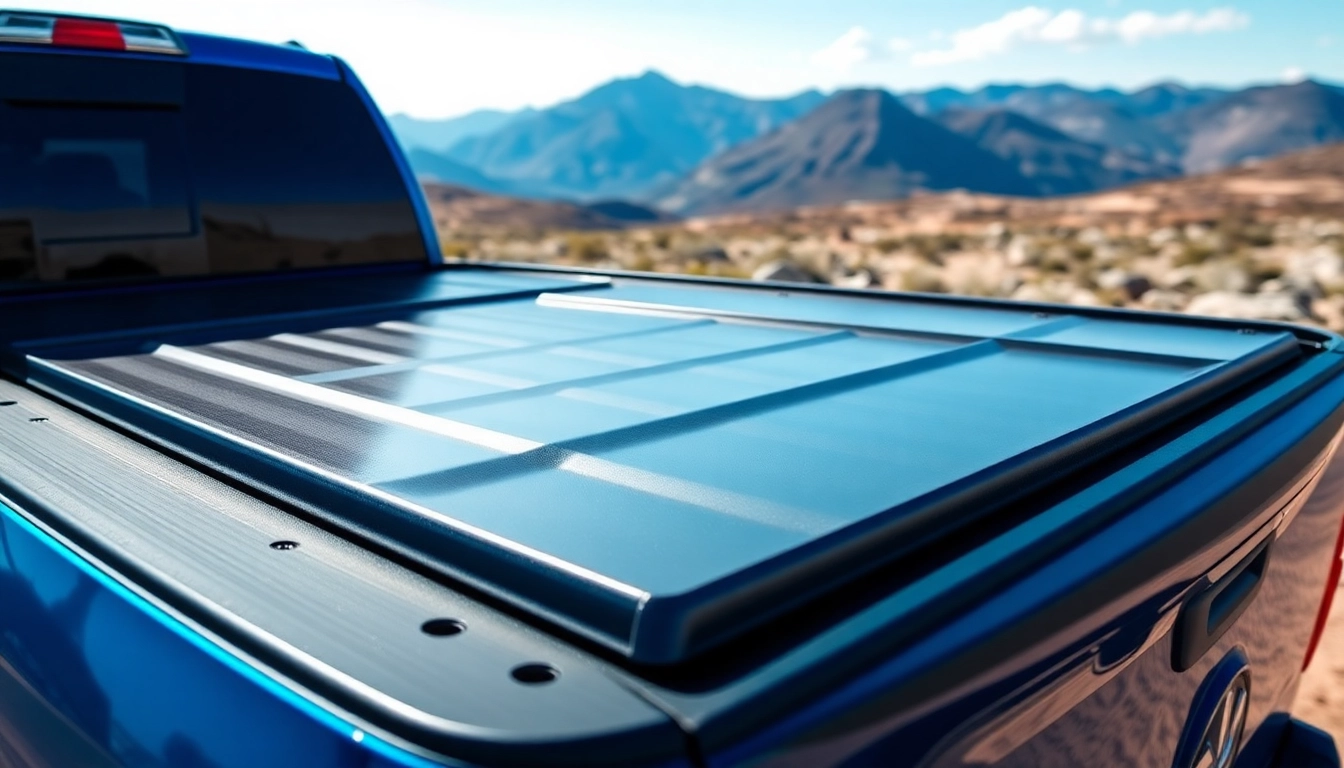
Understanding Tonneau Covers
What is a Tonneau Cover?
A tonneau cover is a protective cover designed to fit over the bed of a pickup truck. Its primary purpose is to shield the cargo area from weather elements and theft while improving aerodynamics and enhancing fuel efficiency. Often constructed from various materials, tonneau covers can range from soft, flexible options to solid, hard-shell covers that offer robust protection.
Types of Tonneau Covers
Understanding the types of tonneau covers available is crucial for making an informed choice. Below are the common types:
- Soft Roll-Up Covers: These are made of vinyl or fabric and can be easily rolled up to gain access to the truck bed. They’re lightweight and affordable, making them a popular choice.
- Hard Folding Covers: These covers consist of rigid panels that fold up. They provide more security than soft covers and are typically more durable.
- Retractable Covers: These are innovative and allow the cover to slide back on rails. They offer great flexibility and can be opened partially or fully.
- Hard Shell Covers: These are solid units that provide maximum security and protection. They can be painted to match the truck’s color and are ideal for those needing significant security.
- Snap-On Covers: This type connects to the truck bed using snaps. They are relatively easy to install and remove, offering good protection for the cargo.
Benefits of Using a Tonneau Cover
Investing in a tonneau cover presents several benefits:
- Enhanced Protection: A tonneau cover shelters your cargo from rain, snow, and other harsh weather conditions.
- Improved Fuel Efficiency: By providing a more aerodynamic shape to your truck, tonneau covers can lead to better gas mileage.
- Increased Security: Covers keep your belongings safe from prying eyes and opportunistic thieves, especially hard-shell options.
- Organized Storage: They allow for better organization of tools and equipment, ensuring that everything remains in place while driving.
- Aesthetic Appeal: They enhance the overall look of your truck, offering a sleek completion to its design.
Choosing the Right Tonneau Cover for Your Truck
Factors to Consider During Selection
Selecting the right tonneau cover for your truck involves several key factors:
- Truck Bed Size: Ensure that the cover fits your specific truck model and bed size.
- Material: Consider durability and weather resistance based on your use case.
- Accessibility: Decide how often you need to access your truck bed and choose a cover type that accommodates this need.
- Security Features: If security is a major concern, lean towards a hard-shell cover that can be locked.
- Budget: Set a budget and find a cover that meets your needs without overspending.
Common Mistakes to Avoid
When purchasing a tonneau cover, avoid these common mistakes:
- Ignoring Compatibility: Failing to check if the cover fits your truck model can lead to future inconveniences.
- Prioritizing Price Alone: It’s essential to consider quality and functionality over just finding the cheapest option.
- Neglecting Installation Requirements: Ensure you understand how to install the cover or seek professional help if necessary.
- Overlooking Drainage: Many covers need proper drainage features to prevent water build-up, which can lead to rust or damage.
- Not Considering Warranty: Opt for covers that offer warranties, providing additional peace of mind regarding durability.
How to Measure Your Truck Bed
Measuring your truck bed correctly ensures a perfect fit for your tonneau cover. Follow these steps:
- Open the tailgate and measure from the inside of the bulkhead (the front wall of the bed) to the inside of the tailgate.
- Note the width of your truck bed, which can typically be measured between the wheel wells.
- Document these measurements carefully and refer to them when shopping for a tonneau cover.
- It is also wise to verify the manufacturer specifications for the exact bed length and type.
Installation and Maintenance Tips
DIY Installation Guide
Many tonneau covers can be installed easily through a DIY process. General steps include:
- Gather Necessary Tools: Most installations may require basic tools like sockets and a wrench.
- Prepare the Truck Bed: Clean the area where the cover will be installed to promote an effective seal.
- Follow Manufacturer Instructions: Each cover will come with specific installation guidelines—follow them precisely.
- Secure the Cover: Ensure it is properly attached and any clamps or fasteners are tightened securely.
- Test the Operation: Open and close the cover a few times to ensure it functions correctly before using it regularly.
Routine Care for Longevity
To extend the life of your tonneau cover, regular maintenance is crucial. Care tips include:
- Clean Regularly: Use mild soap and water to clean the cover, avoiding harsh chemicals that can degrade materials.
- Inspect for Damage: Routinely check for tears, punctures, or wear and make necessary repairs promptly.
- Check Seals: Ensure that all seals are intact to prevent water from entering the truck bed.
- Store Properly: When not in use, especially in extreme weather, consider removing the cover and storing it indoors.
- Apply UV Protectants: For soft covers, UV protectants can prevent fading and damage from prolonged sun exposure.
Common Issues and Solutions
Despite regular maintenance, you might face some common issues:
- Water Leakage: Check seals and adjust if necessary. Consider adding additional weather stripping.
- Difficulty Opening/Closing: Lubricate the moving parts, especially for retractable covers.
- Fading or Discoloration: Use protectants specifically designed for the material of your cover to keep it looking new.
- Unsecured Fit: Regular checks on clamps and fasteners will ensure the cover remains tightly secured.
- Wind Noise: If there’s noise during driving, check the fit and ensure it’s properly sealed against the truck bed.

Maximizing the Benefits of Tonneau Covers
Impact on Fuel Efficiency
One of the often overlooked benefits of a tonneau cover is its positive impact on fuel economy. By lowering wind resistance, a well-fitted cover reduces drag, which can lead to significant fuel savings over time. Studies have shown that using a tonneau cover can enhance fuel efficiency by up to 10%, leading to cost savings for frequent drivers.
Securing Cargo Effectively
In addition to safeguarding against the elements, tonneau covers provide security against theft. With the right cover, cargo remains hidden and less accessible to opportunistic theft. Furthermore, it allows for safer transport; items can be more securely placed in the bed rather than risk shifting during transit.
Enhancing Aesthetics of Your Truck
A tonneau cover also contributes to the visual appeal of your truck. Available in various styles and finishes, a cover can enhance the aesthetic by providing sleek lines and a polished look. Custom-fit options especially can complement the overall design of your vehicle, increasing its resale value.
FAQs About Tonneau Covers
What is the average price of a tonneau cover?
The average price of a tonneau cover ranges from $200 to $1,500, depending on the material and type. Usually, soft covers are more affordable than hard-shell options.
Can I install a tonneau cover myself?
Yes, most tonneau covers come with straightforward installation instructions and can be installed without professional help, making them accessible for DIY enthusiasts.
How does a tonneau cover improve gas mileage?
A tonneau cover improves gas mileage by reducing drag and airflow resistance, making the vehicle more aerodynamic. This means less fuel is needed for the same speed.
Are tonneau covers waterproof?
While many tonneau covers offer protection from rain and moisture, not all are entirely waterproof. It’s advisable to check product specifications for waterproof capabilities.
What type of tonneau cover is best for winter?
Hard-shell tonneau covers are often best for winter, as they provide maximum protection against snow, ice, and freezing temperatures compared to softer alternatives.