1. Understanding Chenin Blanc
1.1 The Origins of Chenin Blanc
Chenin Blanc has a rich history that dates back to the Middle Ages in the Loire Valley of France. Initially known as “Plant d’Anjou,” the grape has thrived in various regions across the world, adapting to different climates and terroirs. Today, it is celebrated not just in France but also in South Africa, where it is often referred to as “Steen.” The grape’s versatility has contributed to its rise as a preferred choice for winemakers and consumers alike.
1.2 Characteristics and Flavor Profile
Chenin Blanc is known for its remarkable versatility, which allows it to produce a wide range of wines, from dry to sweet. The grape typically exhibits high acidity, which contributes to its refreshing qualities. On the palate, you might encounter a spectrum of flavors including green apple, pear, quince, and even floral notes of honeysuckle. Some mature Chenin Blancs also present characteristics of honey and nuts, making them complex and enjoyable. The balance of acidity and sweetness in various styles makes Chenin Blanc an appealing choice for diverse wine drinkers.
1.3 Different Styles of Chenin Blanc
Chenin Blanc is produced in a variety of styles to suit different palates. Dry Chenin Blanc is often characterized by its crisp acidity and bright fruit flavors, perfect for warming weather. Off-dry versions may present a touch of sweetness, accentuating the fruit without overwhelming it. Sweet Chenin Blanc, such as those from the Coteaux du Layon or Montlouis regions, can exhibit rich honeyed characteristics and velvety textures. Furthermore, sparkling Chenin Blanc, often produced in traditional methods, provides a delightful effervescence that delights the senses.
2. The Vinification Process
2.1 Harvesting Chenin Blanc Grapes
Harvesting Chenin Blanc grapes is a critical step that greatly influences the final product. The grapes are usually picked at optimal ripeness to ensure the appropriate balance between acidity and sugar. In warmer climates, grapes may reach their peak sooner, whereas cooler regions allow for longer hang times that concentrate flavors. Handpicking is preferred for quality assurance, allowing winemakers to select only the finest fruit, which leads to a better overall wine quality.
2.2 Fermentation and Aging Techniques
The fermentation of Chenin Blanc can be conducted in various ways depending on the desired outcome. Stainless steel fermentation is common for dry styles, helping maintain the grape’s vibrant acidity and fresh fruit flavors. In contrast, some producers opt for oak barrels, imparting additional complexity and subtle vanilla notes. Aging on the lees—dead yeast cells—can also enhance mouthfeel and bring forth a creamy texture, particularly in premium productions.
2.3 The Impact of Terroir on Flavor
Terroir plays a significant role in shaping the flavor profile of Chenin Blanc. Soil composition, climate, and vineyard management practices all contribute to how the grapes develop their unique characteristics. For instance, mineral-rich soils may impart a specific minerality that is easily detectable in the wine, while cooler climates can preserve acidity, leading to a more crisp and focused wine. Understanding these factors enhances the appreciation of specific bottles and regions for aficionados.
3. Food Pairing with Chenin Blanc
3.1 Classic Pairings: What Works Best?
Chenin Blanc’s diversity makes it an excellent companion for numerous dishes. Particularly well-suited dishes include seafood like grilled fish or shellfish, as the wine’s acidity complements the freshness of the dishes. Poultry, especially when prepared with subtle herbs or fruits, also pairs beautifully. The inherent sweetness in off-dry versions can balance spicy cuisines, making it a great choice for Thai or Indian food.
3.2 Modern Pairings: Exploring New Flavors
In contemporary dining, the emphasis on unique flavor combinations leads to exciting food pairings with Chenin Blanc. It pairs effortlessly with charcuterie boards, where cured meats and soft cheeses can highlight tangy notes in the wine. Unlikely pairings, such as Chenin Blanc with mushroom risotto or even barbecue dishes, showcase the wine’s adaptability and enhance the dining experience.
3.3 Celebrating Seasonal Ingredients with Chenin Blanc
Chenin Blanc shines in seasonal cooking, complementing fresh, locally sourced ingredients. In spring, pair it with asparagus or artichokes, while summer brings the opportunity to enjoy it with ripe tomatoes or grilled vegetables. Fall and winter dishes, such as roasted squash or hearty stews, respond well to the richer styles of Chenin Blanc, particularly those that have undergone oak aging.
4. Serving and Storing Chenin Blanc
4.1 Ideal Serving Temperatures
Serving Chenin Blanc at the right temperature is crucial to enhancing its flavor profile. Ideally, dry and off-dry versions should be served chilled, around 45-50°F (7-10°C), allowing the fruitiness and acidity to shine. Sweeter styles benefit from being slightly warmer at around 50-55°F (10-13°C), which brings out the wine’s complexity without losing its bright flavors.
4.2 Best Glassware for Chenin Blanc
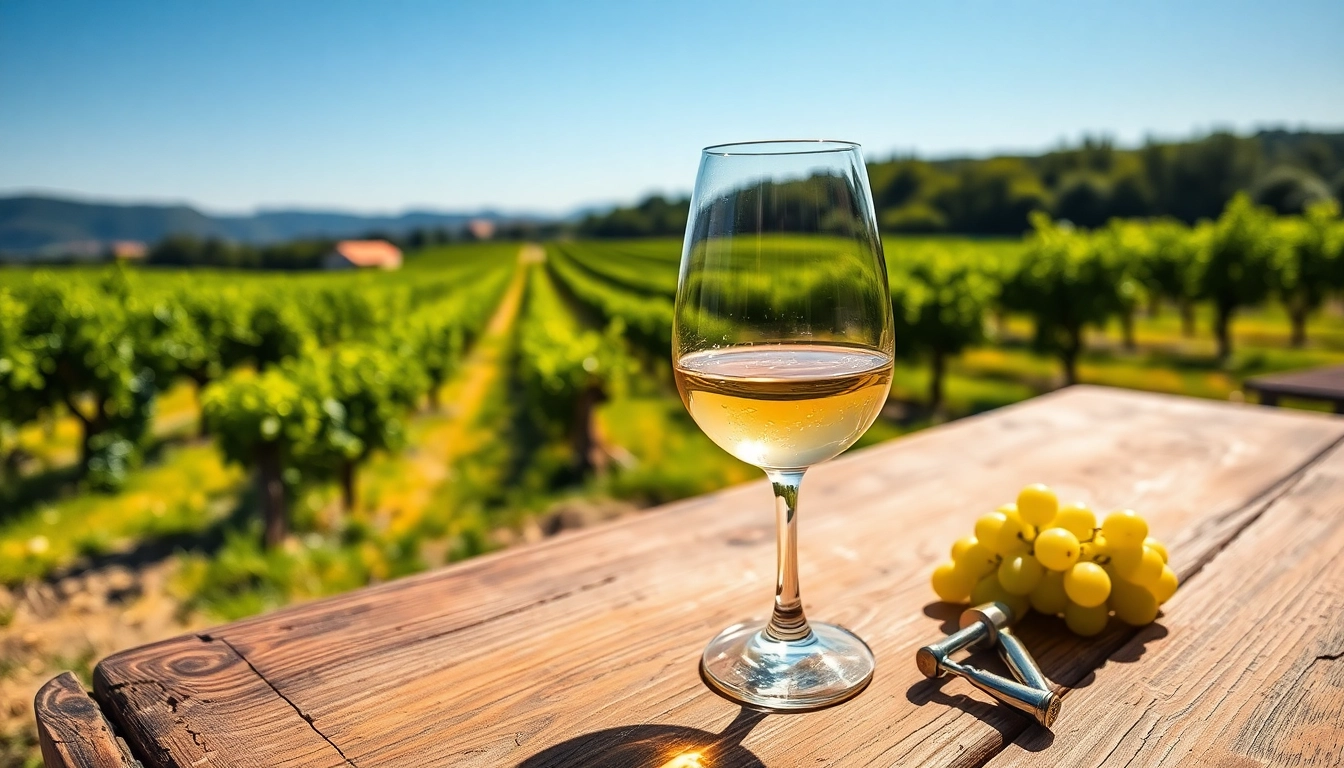
The choice of glassware can significantly influence the wine-tasting experience. For Chenin Blanc, a medium-bowled wine glass is preferred, allowing for adequate aeration to showcase its aromatic complexity. A narrower rim helps concentrate the aromas toward the nose, enhancing your overall drinking experience. Investing in appropriate glassware can elevate the nuances of this delicate wine.
4.3 Proper Storage Techniques
To maintain the freshness and quality of Chenin Blanc, proper storage methods are essential. Store bottles upright in a dark, cool environment, ideally between 50-55°F (10-13°C), avoiding temperature fluctuations. Humidity levels should be kept moderate to prevent corks from drying out. A wine fridge or a dark cupboard can serve as an excellent storage solution for both short- and long-term aging.
5. Frequently Asked Questions
5.1 What is the best food pairing for Chenin Blanc?
Chenin Blanc pairs excellently with seafood, poultry, and spicy dishes, making it versatile and suitable for various cuisines.
5.2 How should I store Chenin Blanc to maintain flavor?
Store Chenin Blanc upright in a dark, cool place at temperatures between 50-55°F (10-13°C) to preserve its flavor and integrity.
5.3 What are the characteristics that define Chenin Blanc?
Chenin Blanc is defined by its high acidity, crisp fruit flavors, and versatility, allowing for various styles, from dry to sweet.
5.4 Is Chenin Blanc sweet or dry?
Chenin Blanc can be both sweet and dry, producing a diverse range that caters to different preferences and occasions.
5.5 What glass should be used for serving Chenin Blanc?
A medium-bowled wine glass is ideal for serving Chenin Blanc, allowing for proper aeration and concentration of aromas.